
Choosing the Right Water Desalination System for Your Yacht in Palm Beach
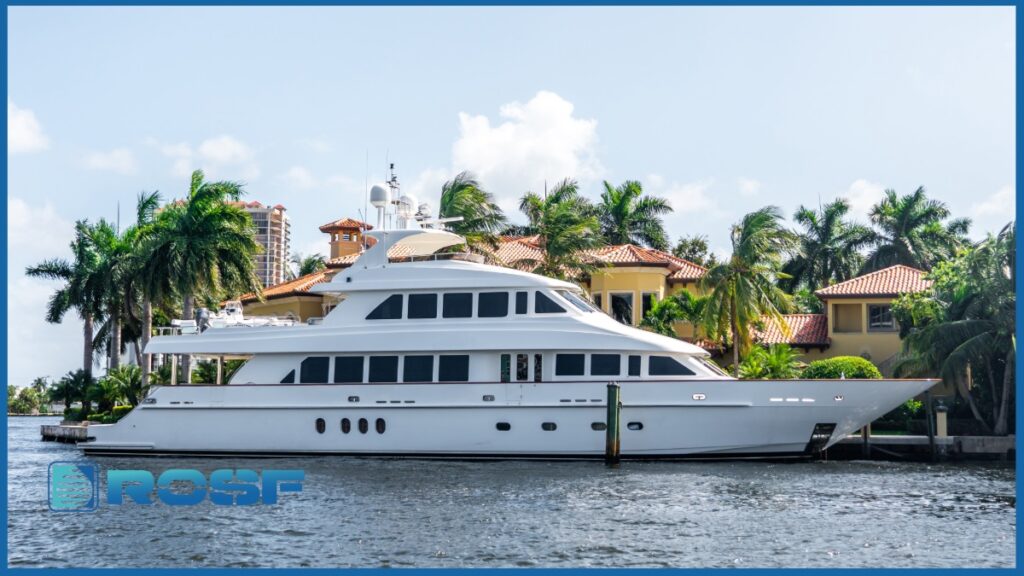
For yacht owners navigating the waters of Palm Beach, West Palm Beach, and South Florida, having a dependable source of fresh water is an important part of enjoying life on the water. Whether cruising along the Atlantic coastline, traveling to the Bahamas, or spending extended periods offshore, a properly selected water desalination system can provide greater independence, convenience, and confidence.
Modern yachts rely on fresh water for a wide range of daily activities, including showering, cooking, cleaning, laundry, and maintaining comfortable accommodations for guests and crew. While freshwater storage tanks provide a limited supply, a marine watermaker allows a vessel to produce fresh water from seawater, reducing dependence on frequent dockside refills.
However, not every water desalination system is designed for the same vessel or operating conditions. Choosing the right equipment requires careful consideration of freshwater demand, available installation space, production capacity, power requirements, and ongoing maintenance.
For yacht owners and marine professionals throughout Palm Beach and West Palm Beach, understanding these factors can help ensure that a new watermaker delivers dependable performance while protecting the vessel’s investment.
What Is a Marine Water Desalination System?
A marine water desalination system is designed to convert seawater into fresh water suitable for onboard use. Most modern marine watermakers accomplish this through reverse osmosis, a process that uses pressure and specialized membranes to separate dissolved salts and many other impurities from seawater.
Unlike conventional water filters, which primarily remove particles or specific contaminants, a reverse osmosis watermaker is specifically designed to reduce the high concentrations of dissolved salts found in seawater.
A typical marine desalination system includes several important components:
- Seawater intake equipment and strainers that help prevent larger debris from entering the system.
- Pre-filtration components that remove suspended particles before water reaches sensitive equipment.
- High-pressure pumps or energy-recovery equipment that provide the operating conditions required for reverse osmosis.
- Reverse osmosis membranes that separate fresh product water from concentrated seawater.
- Monitoring and control equipment that helps manage system operation and evaluate product water quality.
- Freshwater delivery connections that direct acceptable product water into the vessel’s storage system.
When properly configured and maintained, these components work together to provide a reliable source of fresh water for onboard activities.
For a more detailed explanation of the technology, explore our article on how a marine watermaker works.
Why Yacht Owners in Palm Beach Benefit From a Watermaker
Palm Beach and West Palm Beach are home to an active boating community that includes recreational vessels, sportfishing boats, luxury yachts, and larger vessels preparing for extended offshore voyages.
For many yacht owners, a marine watermaker provides advantages that go beyond simply producing fresh water.
Greater Independence While Cruising
Without a watermaker, a vessel’s freshwater supply is limited by the capacity of its storage tanks. Longer trips may require careful water conservation or additional stops to replenish freshwater supplies.
A properly sized water desalination system allows fresh water to be produced while operating in suitable seawater conditions, helping extend the time a yacht can remain away from dockside facilities.
This can be especially valuable for owners who regularly cruise to the Bahamas, Caribbean, or other destinations where convenient freshwater access may be limited.
Improved Comfort for Guests and Crew
Fresh water supports many of the conveniences expected aboard a modern luxury yacht.
Showers, galley operations, laundry facilities, and general housekeeping can create substantial daily demand, particularly when multiple guests and crew members are onboard.
A dependable marine watermaker helps support these activities without requiring the same level of dependence on stored freshwater supplies.
Reduced Dependence on Dockside Water
Dockside freshwater supplies are useful when a vessel is in port, but availability and water characteristics can vary between marinas and destinations.
Having an onboard desalination system provides an additional source of fresh water, giving yacht owners greater flexibility when planning voyages and managing onboard resources.
Produced water must still meet the vessel’s water-quality requirements, and proper storage, sanitation, and treatment remain important.
1. Determine Your Yacht’s Daily Freshwater Requirements
One of the most important considerations when selecting a water desalination system is determining how much fresh water the vessel requires during normal operation.
Freshwater demand varies considerably depending on the yacht’s size, number of occupants, onboard amenities, and cruising habits.
A smaller recreational yacht used primarily for weekend trips may have very different requirements from a larger vessel carrying guests and crew for extended voyages.
Common sources of freshwater consumption include:
- Showers and bathroom fixtures.
- Galley sinks and food preparation.
- Laundry equipment.
- Interior and exterior cleaning.
- Guest and crew accommodations.
- Specialized onboard equipment that requires fresh water.
When evaluating freshwater demand, it is important to consider both typical daily consumption and periods of higher usage.
For example, a yacht accommodating additional guests may experience substantially greater demand than it does during routine operation with a smaller crew.
A professional evaluation can help establish realistic production requirements based on the vessel’s equipment and intended use.
2. Choose the Appropriate Watermaker Production Capacity
Marine watermakers are commonly rated according to the amount of fresh water they can produce over a specified period, often expressed in gallons per hour or gallons per day.
These ratings provide a useful starting point when comparing equipment, but actual freshwater production can vary based on operating conditions.
Seawater temperature, salinity, membrane condition, operating pressure, and other system characteristics can influence production.
When choosing a watermaker for a yacht, it is important to evaluate more than the manufacturer’s maximum advertised capacity.
The system should be capable of meeting the vessel’s freshwater requirements within a practical operating schedule.
For example, if a yacht requires a substantial volume of fresh water each day, the owner may prefer a system that can replenish the required supply during a manageable number of operating hours rather than one that must run continuously.
Appropriate capacity planning can also help avoid selecting equipment that is unnecessarily large or poorly matched to the vessel’s electrical and plumbing systems.
3. Consider Power Requirements and System Efficiency
Every marine water desalination system requires energy to operate, but electrical demand varies according to equipment design, production capacity, and operating technology.
Some systems use conventional high-pressure pumps, while others incorporate energy-recovery technology designed to reduce the amount of power required for freshwater production.
For yachts with limited electrical capacity, understanding the watermaker’s power requirements is especially important.
Before installation, consider:
- Whether the equipment is compatible with the vessel’s electrical system.
- Available generator, inverter, or other power capacity.
- Expected operating hours and freshwater production requirements.
- Starting and running electrical loads.
- The potential benefits of energy-efficient system designs.
For larger luxury yachts, the watermaker may operate as part of a more complex onboard electrical and mechanical infrastructure.
Proper equipment selection helps ensure that the desalination system can operate without placing inappropriate demands on other essential vessel systems.
4. Evaluate Available Installation Space
Marine watermakers are frequently installed in machinery rooms, utility compartments, and other areas where space must be shared with existing mechanical and electrical equipment.
Although modern desalination systems are available in a variety of configurations, installation space remains an important consideration.
The system must fit within the available area while allowing adequate access to filters, membranes, pumps, valves, and service connections.
Installation planning should also account for seawater intake plumbing, brine discharge, freshwater connections, drainage, electrical requirements, and equipment ventilation where applicable.
A compact system may be appropriate for some vessels, while larger yachts may benefit from modular equipment arrangements that allow components to be positioned in different areas.
Regardless of the configuration, accessibility should never be overlooked.
Equipment that is difficult to inspect or service can create unnecessary complications during routine maintenance.
5. Understand the Role of Marine Water Filtration
A dependable water desalination system requires appropriate filtration to protect sensitive components and support consistent operation.
Before seawater reaches the reverse osmosis membrane, it generally passes through strainers and sediment pre-filters designed to remove larger debris and suspended particles.
Without proper pre-filtration, particulate contamination can contribute to restricted flow, equipment wear, and membrane fouling.
Some yachts also incorporate additional water filter systems for freshwater stored in onboard tanks or supplied to drinking-water fixtures.
These systems serve different purposes and should be selected according to the water source and intended application.
For example, a sediment filter designed to protect a watermaker is not a substitute for a reverse osmosis membrane, and a carbon filter intended to improve freshwater taste cannot desalinate seawater.
Choosing the correct combination of filtration and desalination equipment helps create a more dependable onboard water management system.
Learn more in our guide to choosing the right marine water filters for your boat or yacht.
6. Prioritize Equipment Quality and Long-Term Reliability
A marine watermaker is an important investment in the vessel’s comfort, functionality, and operational independence.
For luxury yacht owners, selecting dependable equipment is particularly important because unexpected freshwater system problems can disrupt travel plans and onboard activities.
When evaluating water desalination systems, consider the quality of the components, manufacturer support, maintenance requirements, and availability of replacement parts.
Features that may be valuable include:
- Durable components suitable for marine operating environments.
- Accessible filtration and membrane assemblies.
- Clear operating controls and monitoring equipment.
- Product water quality monitoring and appropriate diversion controls.
- Reliable pumps and compatible plumbing components.
- Manufacturer documentation and service support.
Advanced controls and automation may provide additional convenience, but they should complement sound system design and proper maintenance rather than replace them.
Ultimately, the right equipment is not necessarily the largest or most complicated system. It is the system that appropriately matches the yacht’s freshwater requirements and operating conditions.
7. Plan for Routine Watermaker Maintenance
Even a high-quality marine water desalination system requires routine maintenance to deliver dependable long-term performance.
Seawater contains dissolved minerals, suspended particles, and biological material that can affect filtration equipment and reverse osmosis membranes.
Maintenance requirements vary according to the system, but commonly include:
- Inspecting and replacing sediment pre-filters.
- Monitoring freshwater production and operating pressure.
- Checking product water salinity or conductivity readings.
- Inspecting pumps, hoses, fittings, and connections.
- Following recommended flushing procedures.
- Properly preserving membranes when equipment will remain unused for extended periods.
- Investigating unusual operating conditions or reduced freshwater output.
Maintenance should always follow the manufacturer’s recommendations, including approved cleaning and preservation procedures.
For yacht owners who travel seasonally or leave their vessels inactive for extended periods, proper system preservation is particularly important.
Our article on why regular watermaker servicing is essential explains how preventive maintenance helps protect performance and reduce unexpected equipment problems.
Professional Watermaker Installation in Palm Beach and West Palm Beach
Choosing the correct marine watermaker is only part of the process. Proper installation is equally important to system performance and long-term reliability.
Marine desalination equipment must be integrated with the vessel’s seawater intake, electrical supply, freshwater storage system, and discharge plumbing.
Installation also requires consideration of component accessibility, equipment mounting, vibration, pressure ratings, and compatibility with existing onboard systems.
For luxury yachts, these considerations can be especially important because watermakers often operate alongside sophisticated mechanical, electrical, and freshwater distribution systems.
Professional installation helps ensure that equipment is appropriately configured and commissioned according to manufacturer requirements.
For yacht owners throughout Palm Beach and West Palm Beach, working with an experienced marine watermaker service provider can simplify equipment selection, installation planning, and future maintenance.
For additional installation guidance, see our article on watermaker installation in Fort Lauderdale. Many of the same technical considerations apply to vessels throughout South Florida.
Water Desalination Systems for Palm Beach Yachts Traveling to the Bahamas
For many Palm Beach yacht owners, the Bahamas is a popular cruising destination because of its proximity to South Florida and its extensive boating opportunities.
However, freshwater availability can vary depending on the destination, marina facilities, and itinerary.
A properly sized marine watermaker can provide additional flexibility by allowing fresh water to be produced while cruising in suitable seawater conditions.
This can help support onboard comfort during extended stays and reduce dependence on carrying the entire freshwater supply from the beginning of a voyage.
Watermaker operation should be planned carefully, particularly when navigating harbors, marinas, or areas where seawater may contain fuel, oil, or other contamination.
Conventional watermaker pre-filters are not designed to make heavily contaminated seawater safe for processing, and some contaminants can damage membranes or pass into product water.
Following the manufacturer’s intake-water guidelines and monitoring product water quality are essential parts of responsible operation.
For yachts frequently traveling between Palm Beach, the Bahamas, and other offshore destinations, dependable equipment and an appropriate maintenance plan can contribute to a more convenient cruising experience.
When Should You Upgrade an Existing Marine Watermaker?
Not every yacht requires an entirely new water desalination system. In some cases, existing equipment can continue to perform effectively with proper servicing, component replacement, or targeted upgrades.
However, there are situations where evaluating a replacement system may be worthwhile.
Common considerations include:
- Freshwater production no longer meets the vessel’s needs.
- The yacht’s operating schedule or guest capacity has changed.
- Existing equipment requires increasingly frequent repairs.
- Replacement components have become difficult to obtain.
- The current system is poorly matched to available electrical capacity.
- Newer equipment offers features that better suit the vessel’s operation.
Before replacing a watermaker, it is important to determine whether performance problems are caused by normal maintenance needs or more substantial equipment limitations.
Reduced output, abnormal operating pressure, and water-quality changes can sometimes indicate service issues rather than the need for complete replacement.
Our guide to 7 signs your boat’s watermaker needs service or repair can help identify symptoms that deserve professional attention.
Why Work With Reverse Osmosis Watermakers of South Florida?
Choosing a marine water desalination system involves more than selecting equipment from a catalog. The right solution should account for the vessel’s size, freshwater consumption, electrical capacity, existing plumbing, and long-term operating requirements.
Reverse Osmosis Watermakers of South Florida (ROSF) provides marine watermaker, reverse osmosis, and water filtration solutions for boats and yachts throughout South Florida.
Based in Fort Lauderdale, ROSF serves yacht owners and marine professionals throughout Palm Beach, West Palm Beach, Miami, and surrounding coastal communities.
Whether you are evaluating a new watermaker, considering an upgrade, or maintaining an existing desalination system, professional guidance can help identify equipment that fits your vessel’s needs.
Our focus is on helping boat and yacht owners maintain dependable freshwater systems through appropriate equipment selection, installation, and ongoing service.
Choose a Dependable Water Desalination System for Your Palm Beach Yacht
A properly selected water desalination system can make a meaningful difference in the comfort, convenience, and operational independence of a yacht.
From freshwater production capacity and power requirements to filtration, installation, and maintenance, every component contributes to the performance of the overall system.
For yacht owners in Palm Beach and West Palm Beach, choosing equipment that matches the vessel’s needs can help support reliable freshwater production during local cruising and extended offshore travel.
Reverse Osmosis Watermakers of South Florida is here to help boat and yacht owners throughout Palm Beach, Fort Lauderdale, Miami, and surrounding South Florida communities evaluate their marine watermaker and filtration needs.
Contact Reverse Osmosis Watermakers of South Florida to discuss watermaker installation, water desalination systems, maintenance, and freshwater solutions for your vessel.
Contact Us
Email
info@rosf.net